The shell sets the shape
5 mm EVA at 75D holds a 1.2 m drop without a metal frame. A 3 mm sheet saves 30% of the shell weight and folds at the corners of a large case.
Four choices set the cost and the protection of a hard case: the 5 mm EVA shell, the face fabric, the lining and the zipper. 1680D nylon resists abrasion, 600D polyester takes print, PU leather looks richer and scratches sooner, jersey lining stays soft against a screen. This page compares each option with the number behind it, so the trade-off is visible before you sample.
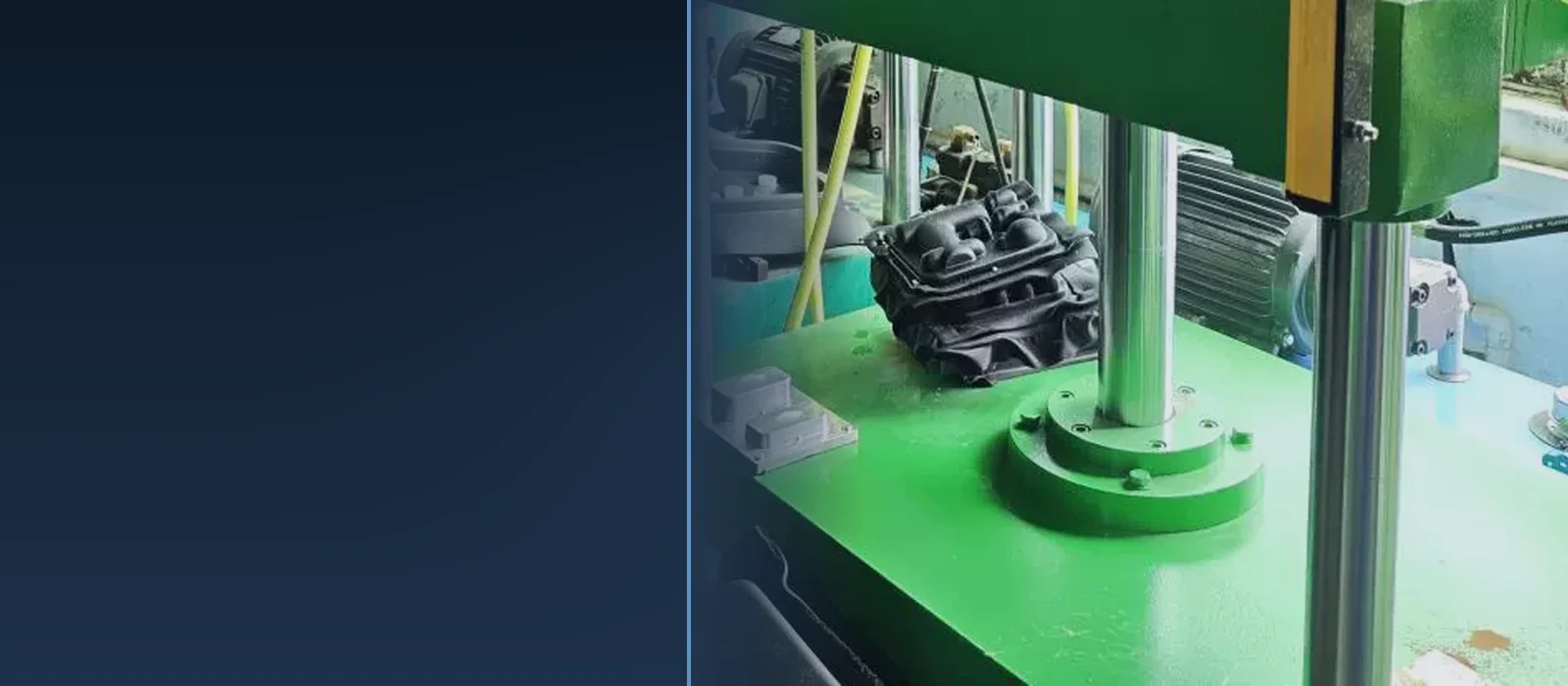
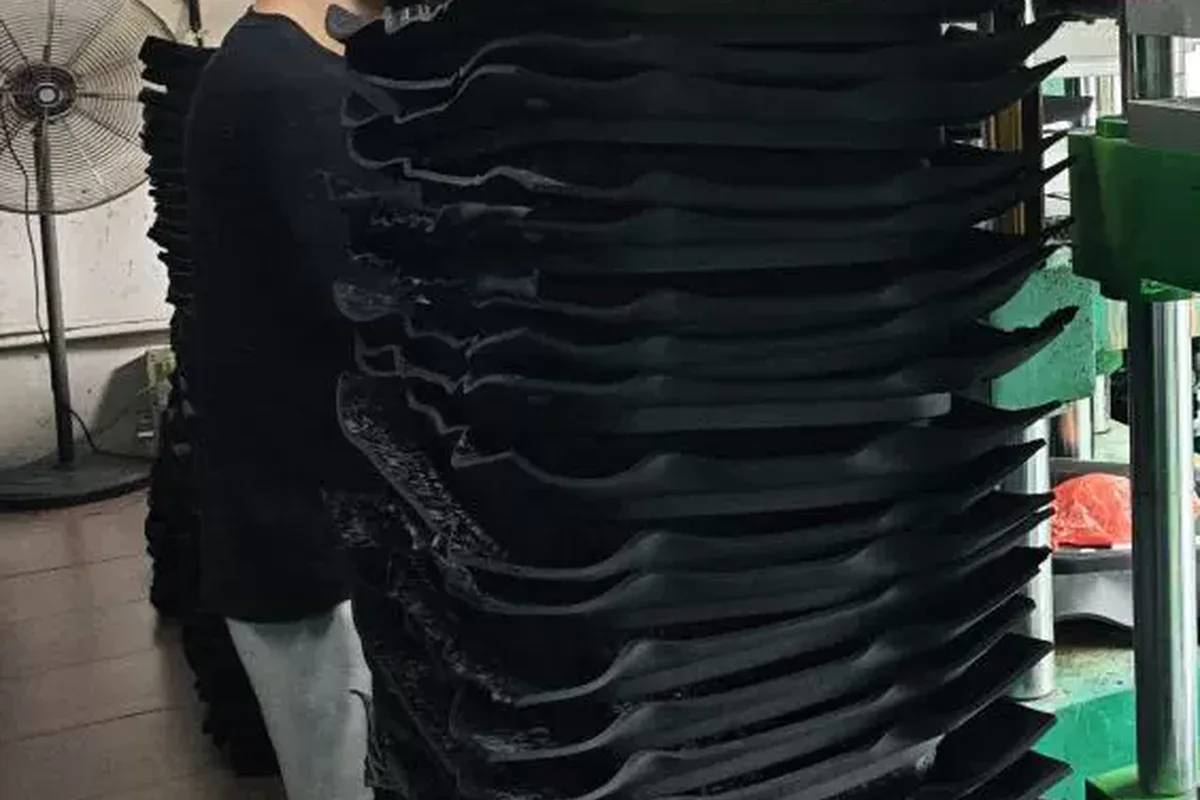
The shell is 5 mm EVA at 75D, laminated to the face fabric and compression moulded in one press. That thickness holds its shape after a 1.2 m drop on six faces without a metal frame, at 0.9–1.2 kg for a medium case. A 3 mm sheet is cheaper and folds at the corners, so 5 mm is our default. The mould sets the radius; the sheet sets the stiffness.
Face choice is a trade-off you can price. 1680D nylon costs about US$0.35 more per piece than 600D polyester and survives 30,000 Martindale cycles; 600D prints sharper detail and saves the money. PU leather wipes clean and photographs well but scuffs at 3,000 cycles, so sample it on a handled corner before you commit a season to it. These numbers come from our own bench.
Buyers usually ask for a material by name. What they actually want is a weight, a drop height and a look, so we start there.
5 mm EVA at 75D holds a 1.2 m drop without a metal frame. A 3 mm sheet saves 30% of the shell weight and folds at the corners of a large case.
25D foam cushions a screen; 38D foam holds a 1.5 kg drone. Die-cut to the device outline with 1 mm clearance, or pick-and-pluck for a mixed kit.
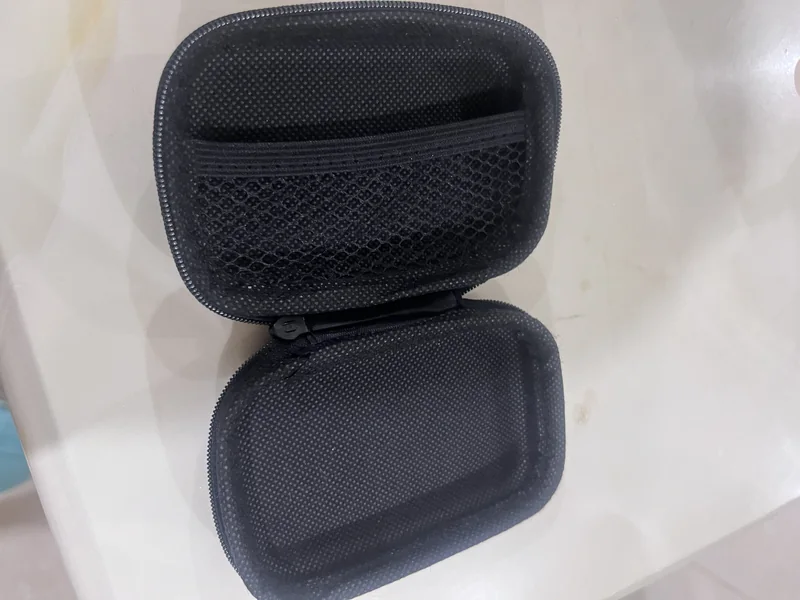
180–220 gsm jersey is soft against a screen and hides scuffs; 220 gsm velvet reads richer but holds dust. Both bond to the EVA before the zipper goes on.
Every material pair goes through the same bench before it reaches your sample: Martindale abrasion at 12,000 and 30,000 cycles, a 5,000-cycle zipper test, a 60-minute water spray at 4 psi on waterproof zippers, and a 1.2 m drop on six faces with a 1.5 kg load inside. Failures come back with photographs and a number, not an adjective. The failed piece stays in a bag with its batch number.
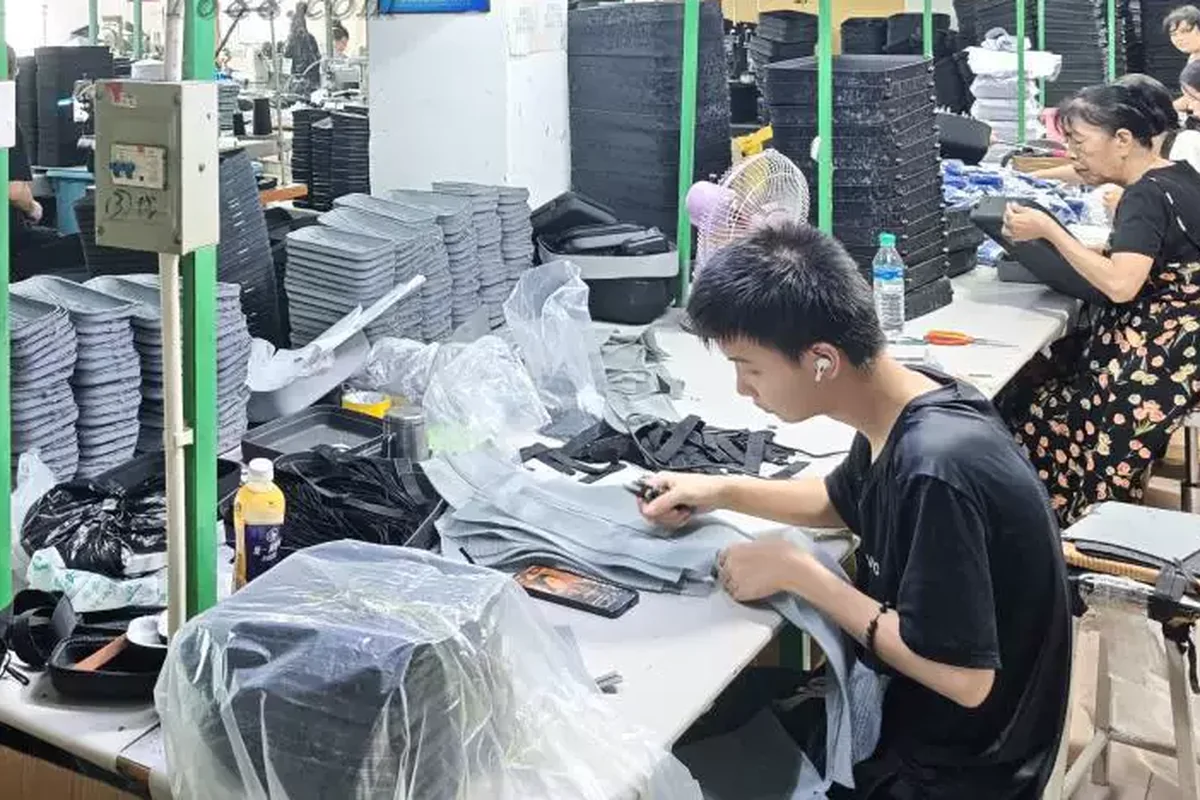
Then we cut. Inserts are nested to the device outline with 1 mm clearance on each side, 38D foam for the body and 25D foam under the screen, and die-cut on a travelling-head press. A change of insert foam does not move your ship date, because cutting and moulding run in the same building. Zippers are sewn on the curve with a 3 mm seam allowance, then pulled by hand at the end of the line.
Each of these is held in stock for sampling. Ask for a swatch card and the cost delta per piece is printed on it.
Woven 1680D, 30,000 Martindale cycles
0.9 mm PU, wipes clean, scuffs at 3,000 cycles
220 gsm, soft against a screen
Coated tape, 60-minute spray at 4 psi
Five steps from the device to a locked bill of materials you can reorder against.
Tell us the device, its weight and the drop height you need. We match it to a stock mould when one is within 1.5 mm.
A swatch pack of 1680D, 600D, PU and jersey ships in 5–7 days, with the cost delta per piece printed on each card. Four faces, one box.
The sample uses production materials — 5 mm EVA, your face, your zipper and a die-cut 38D insert — so the weight you feel is the weight you ship.
Abrasion, zipper cycles, a water spray and a 1.2 m drop, each with the failed piece kept, photographed and logged against its batch number. Test reports ship with the sample.
Moulding, cutting, stitching and packing run in one building, so 150,000 pcs a month does not mean your 5,000 waits behind another order. The insert line sits next to the press.
Prices are the delta per piece against the base specification at 1,000 pcs, FOB Shenzhen.
FOB Shenzhen, 1,000 pcs per band, with the shell, lining, zipper and insert included. Upgrades are quoted per piece, not as a percentage.
US$2.00–3.50 / pc
Watch, jewellery and thermometer cases at 1,000 pcs.
US$2.50–5.00 / pc
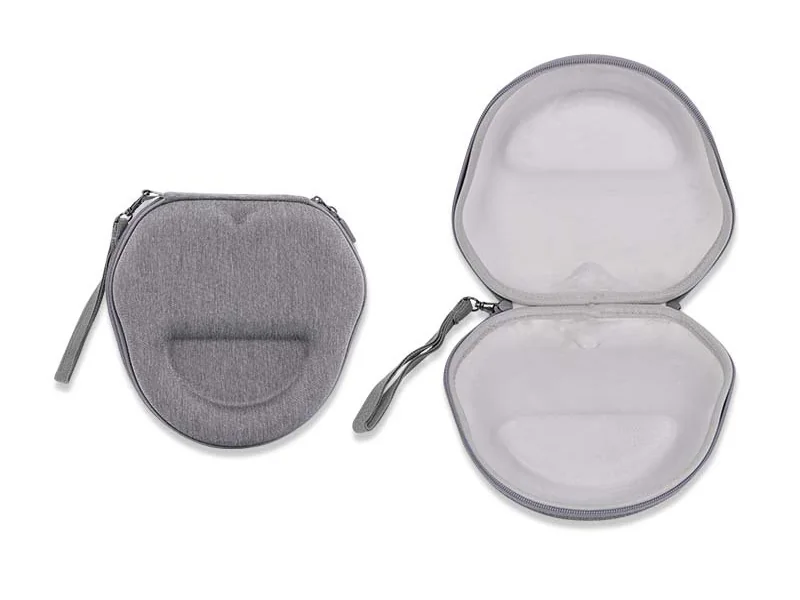
Monitor, action camera and headphone cases at 1,000 pcs.
US$6.00–12.00 / pc
Drone, VR headset and keyboard cases at 1,000 pcs.
Send the device, the drop height and the look you want. We will return two material sets with a cost per piece and a sample date.